Published June 22, 2026
What Topeka Homeowners Should Do When the Rain Keeps Coming

What Topeka Homeowners Should Do When the Rain Keeps Coming
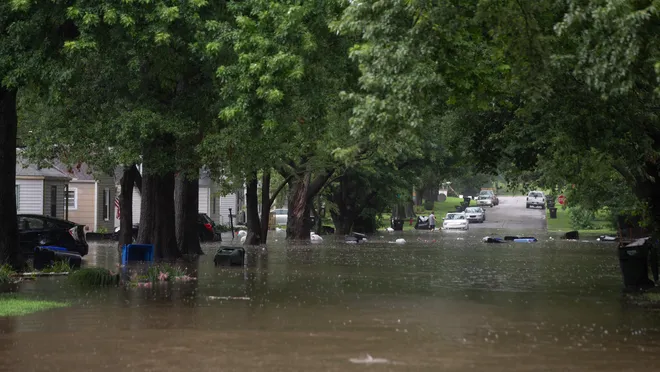
Topeka summers have always been wet. June is historically the rainiest month of the year here, and this summer has lived up to that reputation. When rainfall adds up week after week, it stops being just inconvenient and starts becoming a real threat to your home.
Water damage is one of the most common and costly problems homeowners face. The good news is that most of it is preventable. Here is a practical checklist of what to look at and what to do before the next storm rolls through.
Start Outside: Your First Line of Defense
Clean Your Gutters and Downspouts
This is the single most impactful thing most homeowners can do. Clogged gutters cause water to overflow and pool against your foundation, which is exactly where you do not want it. Check your gutters after any significant storm and clear out leaves, debris, and buildup. Make sure your downspouts are directing water at least four to six feet away from the house. Splash blocks or downspout extensions are inexpensive and make a real difference.
Check the Grading Around Your Home
Walk around your house and look at the slope of the ground near the foundation. The soil should slope away from the house, not toward it. If water is pooling close to your exterior walls after a rain, that is a sign your grading needs attention. Adding soil and regrading that area is a relatively simple fix that protects your foundation long term.
Inspect Your Roof
You do not need to get up there yourself, but you should know what your roof looks like. Missing or curling shingles, damaged flashing around chimneys or vents, and sagging areas are all signs that water can get in. After a heavy rain, check your attic for any signs of moisture, staining, or daylight coming through. If you see any of those, get a roofer out before it becomes a bigger problem.
Look at Your Window and Door Seals
Water commonly enters around windows and doors where the caulk or weatherstripping has worn down. Press your hand around the frames after a rain and feel for moisture. Recaulking around exterior windows and doors is a straightforward weekend project and a cheap fix compared to what water damage can cost.
Move Inside: Protect Your Basement and Foundation
Know the Signs of Water Intrusion
In Topeka, basement water issues are common, especially in older homes. Signs to watch for include white chalky residue on concrete or block walls (called efflorescence), musty smells, visible cracks in the foundation wall, or water stains along the base of the walls. Any of these deserve attention, not just a coat of paint over the problem.
Apply Interior Waterproofing Sealant
For minor seepage, waterproofing paint or masonry sealant applied to interior basement walls can help slow moisture from working through the concrete. Products like Drylok are available at any home improvement store and are designed for this purpose. This is not a fix for active leaks or significant cracks, but it is a reasonable first step for minor dampness.
Check Your Sump Pump
If your home has a sump pump, test it before every storm season and check it again after heavy rain events. Pour water into the pit and make sure the float triggers the pump and it runs without issue. Consider a battery backup unit so it keeps working if the power goes out during a storm, which is exactly when you need it most.
Seal Cracks in Walls and the Floor
Small cracks in basement walls or the floor can be filled with hydraulic cement or polyurethane foam sealant. These products expand to fill the crack and hold up under water pressure. For larger or recurring cracks, that is a conversation to have with a foundation specialist.
A Few More Things Worth Checking
Window wells. If you have basement windows below grade, make sure the window wells are clear of debris and draining properly. A well cover is a low-cost way to keep rain from pooling directly against your basement window.
Your HVAC and water heater. If these are in a basement or lower level, know where they are in relation to the floor. Persistent water issues near mechanical systems are worth addressing before equipment gets damaged.
Your insurance coverage. Standard homeowners insurance does not cover flood damage. If your property is in or near a flood zone, or if you've had water problems in the past, it is worth a conversation with your insurance agent about whether a separate flood policy makes sense.
Thinking About Buying or Selling? Water Issues Matter.
If you are planning to buy a home in Topeka, water damage history is one of the most important things to evaluate during an inspection. It can also affect your ability to get financing, your insurance options, and your long-term cost of ownership. Ask the right questions and do not skip the inspection.
If you are selling, known water issues need to be disclosed in Kansas. Addressing them before you list, and being able to show that they have been properly repaired, is almost always better than leaving them for a buyer to discover.
The Habiger Team works with buyers and sellers in Topeka every day. We know what to look for, and we can help you think through what any water-related findings in a home actually mean for you.
Reach out anytime at thehabigerteam.com or give us a call.
The Habiger Team | Keller Williams One Legacy Partners | Topeka, Kansas